Search engine optimization encompasses technical website health, content quality, keyword targeting, backlink authority, and competitive intelligence — multiple disciplines that each require specialized tools and data. Moz has been a recognized foundational and influential presence in the global SEO industry since its founding in 2004 (originally as SEOmoz), pioneering industry-defining concepts like Domain Authority and Page Authority scoring metrics that have become standard professional vocabulary across the entire SEO profession. The comprehensive Moz Pro platform combines powerful keyword research, automated rank tracking, thorough site auditing, detailed link analysis, on-page optimization, and competitive intelligence capabilities into a well-integrated SEO toolkit designed for professionals designed to serve both SEO professionals and marketing teams developing their organic search capabilities.
Moz’s approach to SEO tooling reflects its roots as an SEO education company — the platform emphasizes accessibility, clear metrics, and actionable recommendations that make SEO concepts understandable for practitioners at all experience levels. While competitors like Ahrefs and SEMrush may offer deeper data volumes in specific areas, Moz provides a notably streamlined and intuitive user experience that meaningfully reduces operational complexity without sacrificing the essential analytical capabilities and data depth that professional SEO practitioners require. Understanding Moz’s capabilities helps search marketing teams evaluate whether this platform’s approach to SEO intelligence best serves their optimization workflow and skill development objectives.
Domain Authority and Page Authority
Moz created the Domain Authority (DA) and Page Authority (PA) metrics that predict how likely a domain or page is to rank in search results. DA scores range from 1 to 100, with higher scores indicating greater ranking potential. While Domain Authority is not a Google ranking factor — it is a Moz-proprietary metric based on link data analysis — it has become one of the most widely recognized and referenced SEO metrics in the industry, used by SEO professionals, content marketers, and PR teams to evaluate website authority and link quality.
Domain Authority calculations consider link profile characteristics including linking root domain quantity, link quality, MozRank, and MozTrust scores. The metric is designed as a comparative tool — useful for comparing one site’s authority against competitors or evaluating linking domains for quality — rather than an absolute measure that directly predicts specific ranking positions. Understanding DA as a comparative benchmark rather than a precise ranking predictor ensures appropriate application of this widely used metric.
Keyword Explorer
Moz Keyword Explorer provides keyword research data including monthly search volume, keyword difficulty score, organic CTR (the percentage of clicks that organic results receive versus paid results and SERP features), and priority score — a composite metric that combines volume, difficulty, and opportunity into a single actionable number. The priority score simplifies keyword selection by providing a single metric that balances multiple factors rather than requiring manual assessment of each factor independently.
Keyword suggestions expand seed keywords into related terms using multiple discovery methods: include keywords containing the seed term, questions containing the seed term, and semantically related terms that pages ranking for the seed keyword also rank for. SERP analysis for each keyword shows the current top-ranking pages, their Domain Authority, Page Authority, linking root domains, and social shares — providing competitive landscape context for each keyword opportunity.
Keyword lists organize research into manageable groups for campaign planning, enabling prioritization across large keyword sets. List-level metrics show aggregate difficulty, volume, and opportunity data that helps content teams plan content production priorities across their keyword portfolio.

Link Explorer
Link Explorer provides backlink analysis using Moz’s link index, which crawls and indexes web links to provide backlink data for competitive analysis and link building. For any analyzed domain, Link Explorer shows Domain Authority, linking root domains, total backlinks, top linked pages, anchor text distribution, and spam score assessment. The Spam Score metric estimates the likelihood that a linking domain might be penalized by search engines based on characteristics common to spammy websites, helping link builders evaluate link quality during outreach campaigns.
Link Intersect identifies domains that link to competitors but not to the analyzed site — representing high-probability link building targets, as websites that already link to similar content have demonstrated willingness to link within the relevant topic area. Competitor backlink comparison shows how link profiles differ across competing domains, revealing link-building strategies and opportunities that inform targeted outreach campaigns designed to close backlink gaps.
The Discovered and Lost links view tracks backlink changes over time, showing newly acquired and recently lost links. Link monitoring helps track link building campaign success and identify link loss situations that may require attention — particularly when lost links come from high-authority domains that significantly contributed to the site’s link profile strength.
Site Crawl
Moz Site Crawl audits websites for technical SEO issues including broken links, missing title tags, duplicate content, redirect chains, crawl errors, and page speed issues. Weekly automated crawls monitor technical health continuously, tracking issue counts over time to measure improvement progress. Issue prioritization classifies problems by severity — critical issues that directly impact search visibility receive higher priority than warnings or minor optimization opportunities.
Crawl diagnostics provide specific remediation guidance for each identified issue, making technical SEO accessible to team members who may not have deep technical expertise. The combination of issue identification and actionable recommendations transforms the audit from a diagnostic report into a practical remediation roadmap.
Rank Tracking
Moz Rank Tracker monitors keyword ranking positions across search engines, tracking how target keywords perform over time. Desktop and mobile tracking capture the different ranking positions that occur across device types. Local rank tracking monitors positions for specific geographic locations, serving businesses with location-dependent search visibility requirements.
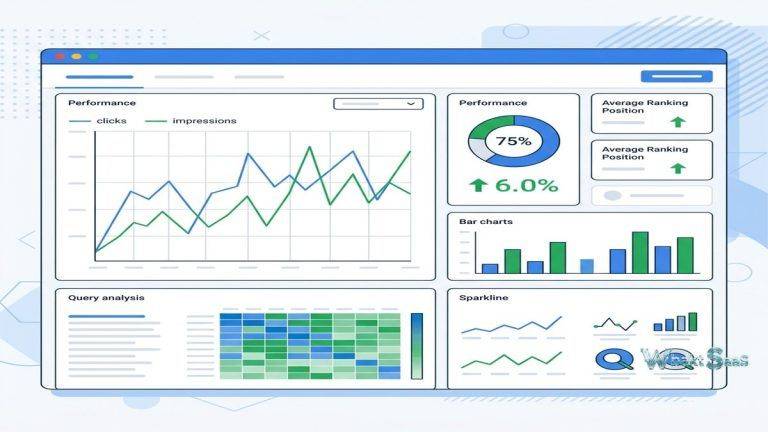
Search visibility scoring provides a composite metric that summarizes overall ranking performance across all tracked keywords, accounting for both ranking position and search volume to weight important keywords appropriately. Competitor tracking compares ranking performance against specified competitor domains, showing where competitive position is strong, where it is weakening, and where opportunities exist to overtake competitors on specific keywords.
On-Page Grader
The On-Page Grader analyzes specific pages against target keywords, scoring how well the page is optimized for the specified search terms. Analysis covers title tag optimization, meta description quality, heading usage, keyword placement, content length, internal linking, image optimization, and page speed factors. Each element receives a score with specific recommendations for improvement, creating an actionable optimization checklist for each analyzed page.
MozBar
MozBar is a free Chrome extension that overlays Moz metrics — Domain Authority, Page Authority, Spam Score — directly on Google search result pages and individual websites. The toolbar provides instant authority assessment while browsing search results or evaluating potential link building targets, enabling rapid competitive assessment without navigating to the Moz platform. MozBar’s free availability makes it one of the most widely installed SEO browser extensions, serving as both a useful standalone tool and an introduction to Moz’s broader platform capabilities.
Moz Local
Moz Local focuses on local SEO by managing business listings across online directories, ensuring that business name, address, phone number (NAP), and other business information are consistent and accurate across Google Business Profile, Facebook, Yelp, Apple Maps, and dozens of additional directory platforms. Listing inconsistency is a common local SEO problem — when different directories show different addresses, phone numbers, or business names, search engines lose confidence in business information accuracy, potentially reducing local search visibility.
Review management within Moz Local monitors and aggregates customer reviews from multiple platforms, providing a unified view of online reputation. Review response capabilities enable businesses to respond to reviews from within the Moz Local interface rather than logging into each review platform individually.
STAT Search Analytics
STAT (acquired by Moz) provides enterprise-scale rank tracking capabilities that exceed Moz Pro’s built-in rank tracking. STAT tracks unlimited keywords across unlimited search engines, markets, and locations, providing the data volume that enterprise SEO teams and agencies require for comprehensive rank monitoring. SERP feature tracking monitors which SERP features appear for tracked keywords and whether the tracked domain appears in those features — featured snippets, People Also Ask, knowledge panels, image packs, and video carousels.
Moz API
The Mozscape API provides programmatic access to Moz’s link data, Domain Authority scores, Page Authority scores, and spam scores for integration with custom tools, automated workflows, and third-party platforms. API consumers include agencies building custom client dashboards, SaaS platforms incorporating authority metrics into their features, and enterprise SEO teams automating large-scale link analysis that manual platform usage cannot efficiently handle.
The Links API returns detailed link data for specified URLs including linking domains, anchor text, link attributes, and authority metrics. URL Metrics API returns Domain Authority, Page Authority, and other aggregate metrics for bulk URL evaluation. These API endpoints enable integrations that extend Moz’s data beyond the platform interface into the broader marketing technology ecosystem.
Custom Reports
Moz Pro generates branded, customizable reports that combine keyword rankings, site crawl results, link metrics, and on-page optimization scores into client-ready documents. Report scheduling automates recurring report delivery, reducing the manual effort required for regular client or stakeholder communication. Report customization allows including or excluding specific metrics, adding custom branding, and annotating data with contextual commentary that helps report recipients understand the significance of presented metrics.
Free SEO Tools
Moz offers several free tools that provide limited access to platform capabilities: Domain Analysis (quick DA/PA lookup), Link Explorer (limited backlink analysis), Keyword Explorer (limited monthly searches), MozBar (Chrome extension), and On-Page Grader (limited page analyses). These free tools serve dual purposes — providing genuinely useful SEO capabilities for practitioners with limited budgets while introducing users to Moz’s data quality and interface in preparation for potential subscription conversion.
The Moz Beginner’s Guide to SEO and Moz Blog represent the company’s educational heritage, providing comprehensive SEO learning resources that have trained generations of SEO practitioners. This educational investment builds brand loyalty and platform familiarity that distinguishes Moz from competitors who focus primarily on tooling without comparable educational content investment.
Brand Authority
Brand Authority is a Moz metric that estimates a brand’s overall online presence strength based on search behavior patterns, brand mention frequency, and audience engagement signals. Unlike Domain Authority which focuses on link-based ranking potential, Brand Authority measures the broader brand recognition and audience awareness that influence search behavior — users searching directly for a brand name rather than finding it through keyword-based searches. This metric provides a different dimension of competitive analysis that complements traditional link and keyword metrics.
Integrations
Moz Pro integrates with Google Analytics and Google Search Console to combine Moz’s proprietary metrics with first-party search and analytics data. Data Studio (Looker Studio) connectors enable custom dashboard creation that combines Moz data with other marketing data sources. Third-party integrations through API access extend connectivity to marketing automation platforms, reporting tools, and custom applications. Zapier integration enables automated workflows that trigger actions based on Moz data changes — such as alerting teams when competitor Domain Authority increases significantly.
Common Use Cases
SEO Campaign Management: SEO teams use Moz Pro as their primary SEO platform for keyword research, rank tracking, site auditing, and link analysis — managing all core SEO activities from a unified interface.
Competitive Analysis: Marketing teams analyze competitor Domain Authority, backlink profiles, and keyword rankings to understand competitive positioning and identify opportunities for SEO improvement.
Local SEO: Local businesses and multi-location enterprises use Moz Local to manage business listings, monitor reviews, and optimize local search visibility across directory platforms.
Agency SEO Services: SEO agencies use Moz Pro for client campaign management, competitive research, and reporting. White-label reporting capabilities serve agency client communication needs.
Link Building Strategy: Link building teams use Link Explorer to analyze competitor backlink profiles, identify link intersection opportunities, and evaluate the quality of potential link partners using Domain Authority and Spam Score metrics before investing outreach effort.
Content Optimization: Content teams use the On-Page Grader to optimize existing content for target keywords, identifying specific improvement opportunities — title tag optimization, heading structure, keyword placement, content length — that can improve ranking potential for important search terms.
Pricing
Moz Pro pricing follows tiered plans — Standard, Medium, Large, and Premium — that increase keyword tracking capacity, site crawl limits, user seats, and API access. Each tier provides full access to all Moz Pro tools, differentiating plans by usage volume rather than feature availability. Moz Local pricing is separate from Moz Pro and scales by number of locations managed. Free tools including MozBar, Domain Analysis, and Keyword Explorer (limited) provide entry-level access to Moz data without financial commitment.
Pricing and features are subject to change. Please verify current plan details on the official Moz website before making purchasing decisions.
Limitations
- Link index size: Moz’s link index is smaller than Ahrefs’ or Majestic’s, potentially providing less comprehensive backlink data for deep link analysis.
- Data freshness: Some data updates less frequently than competitors, which may affect time-sensitive competitive analysis.
- Limited PPC data: Unlike SEMrush, Moz does not include comprehensive paid search intelligence or advertising research tools.
- Content analysis: Content research and content marketing features are less developed compared to platforms that include content intelligence tools.
Summary
Moz provides a well-rounded SEO platform that balances analytical capability with accessibility, making professional SEO tools approachable for teams at varying experience levels. The Domain Authority metric that Moz created has become a universal SEO vocabulary term, reflecting the company’s foundational influence on how the industry thinks about and measures website authority.
Moz’s strength lies in combining comprehensive SEO capability with educational accessibility. The platform’s recommendations, scoring systems, and prioritization features guide users toward the highest-impact optimization actions rather than overwhelming them with raw data that requires expert interpretation. This guided approach serves teams that are building SEO competency alongside implementing SEO improvements, providing both the tools and the contextual guidance needed to make informed optimization decisions.
The company’s dual identity as both an SEO tool provider and an SEO education company creates a unique market position. While other platforms compete primarily on data volume and feature depth, Moz competes additionally on the learning experience that helps users develop SEO skills alongside using SEO tools. This educational approach builds long-term user loyalty and platform advocacy that extends beyond feature comparison.
SEO platforms including Moz, Ahrefs, SEMrush, Majestic, and Ubersuggest each approach search optimization with different strengths and design philosophies. Moz’s advantages center on Domain Authority’s industry recognition, on-page optimization guidance, local SEO capabilities through Moz Local, and the platform’s accessibility for teams developing their SEO expertise. Organizations evaluating SEO platforms should consider their team’s experience level, primary SEO priorities, and the specific data requirements that drive their most important optimization decisions.
Features, pricing, and availability discussed in this review reflect information available at the time of writing. Software products evolve continuously, and details may have changed since publication. Please verify current information directly on the official Moz website. WBAKT SaaS is an independent review platform with no affiliate relationships with any software company mentioned in this article.
For related SEO tools, see our reviews of Ahrefs SEO platform, SEMrush marketing toolkit, and Google Search Console.
About the Author